So far 2026 has delivered a story many wouldn’t have predicted a year ago: Boeing is outperforming Airbus. After years of challenges, Washington’s leading manufacturer and a key partner of workforce development efforts across colleges in Washington has started 2026 with its strongest commercial aerospace showing in years.
Boeing delivered 46 commercial aircraft in January and 51 in February, outpacing Airbus for the first time in years. Airbus delivered only 19 aircraft in January and 35 in February, slowed by an ongoing fuselage panel quality issue on the A320neo family.
Boeing booked 107 orders in January, including a deal for thirty Dreamliners from Delta Air Lines. Through the first two months of the year, Boeing has produced roughly 120 aircraft and delivered 97, sustaining a production rate of approximately 42 737 MAX jets per month.
Boeing’s most important order of the year so far came on January 7, when Alaska Airlines announced its largest-ever aircraft purchase: 105 737-10s, with options for 35 more, plus five 787 Dreamliners. Alaska is promoting the deal as the basis of its “Accelerate” strategy, growing its fleet and offering new long-haul service from Seattle to London, Rome and beyond, set to begin this spring.
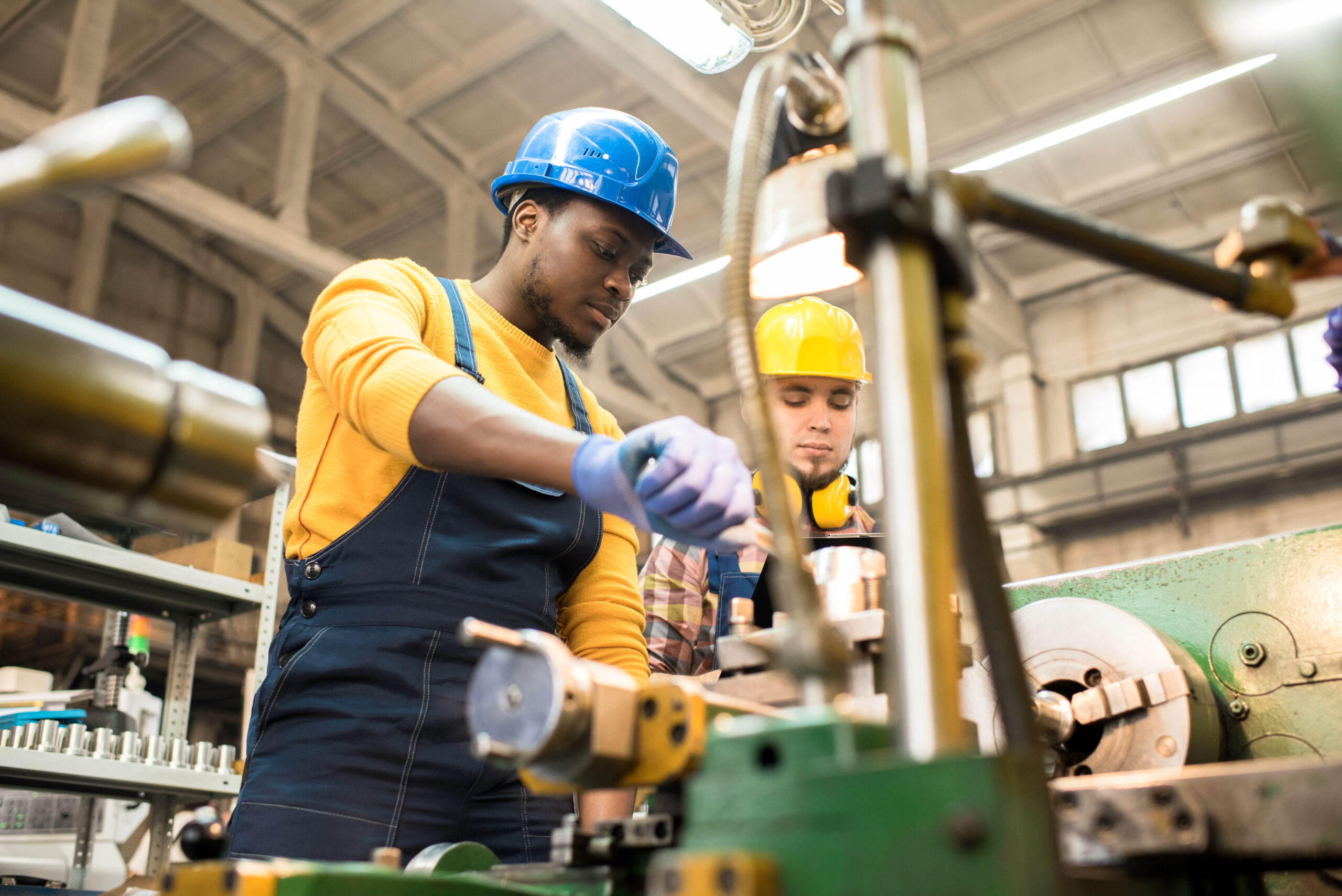
In the COE’s backyard of Everett, the biggest near-term development is the “North Line,” a fourth 737 MAX assembly line set to open this summer. It will be the first time the 737 has been assembled outside of the Renton plant, with the line producing the MAX 10. Boeing has already begun hiring and training workers in Everett for the operation, including graduates of Washington’s Community and Technical Colleges.
At the same time, Airbus is navigating its own challenges. Last year the A320neo encountered a fuselage panel issue, forcing the jetmaker to cut its 2025 delivery target from 820 to 790 aircraft. The problem has carried into 2026: through mid-March, Airbus had produced 141 aircraft but delivered only 94, a gap driven additional inspections.
Airbus’s backlog of roughly 8,770 planes represents more than 10 years of production at the targeted rate, and the company remains dominant in the global single-aisle market, benefitting from deep commercial ties to, and orders from, Chinese airlines.
The competitive picture between Boeing and Airbus is more complex and nuanced than ever. Airbus retains the larger backlog, delivers more aircraft annually, and holds structural advantages in both single-aisle deliveries and in working with China. But Boeing has reasserted itself in the widebody space, regained momentum in narrowbody orders, and is expanding its manufacturing footprint in the Puget Sound.
Whether Boeing’s turnaround holds will depend on execution: steady production increases, clean certifications, and a quality culture that CEO Kelly Ortberg has made his central mandate. As a key Boeing partner, Washington State’s Community and Technical Colleges will continue to prepare the workforce of today and tomorrow for the aerospace supply chain.